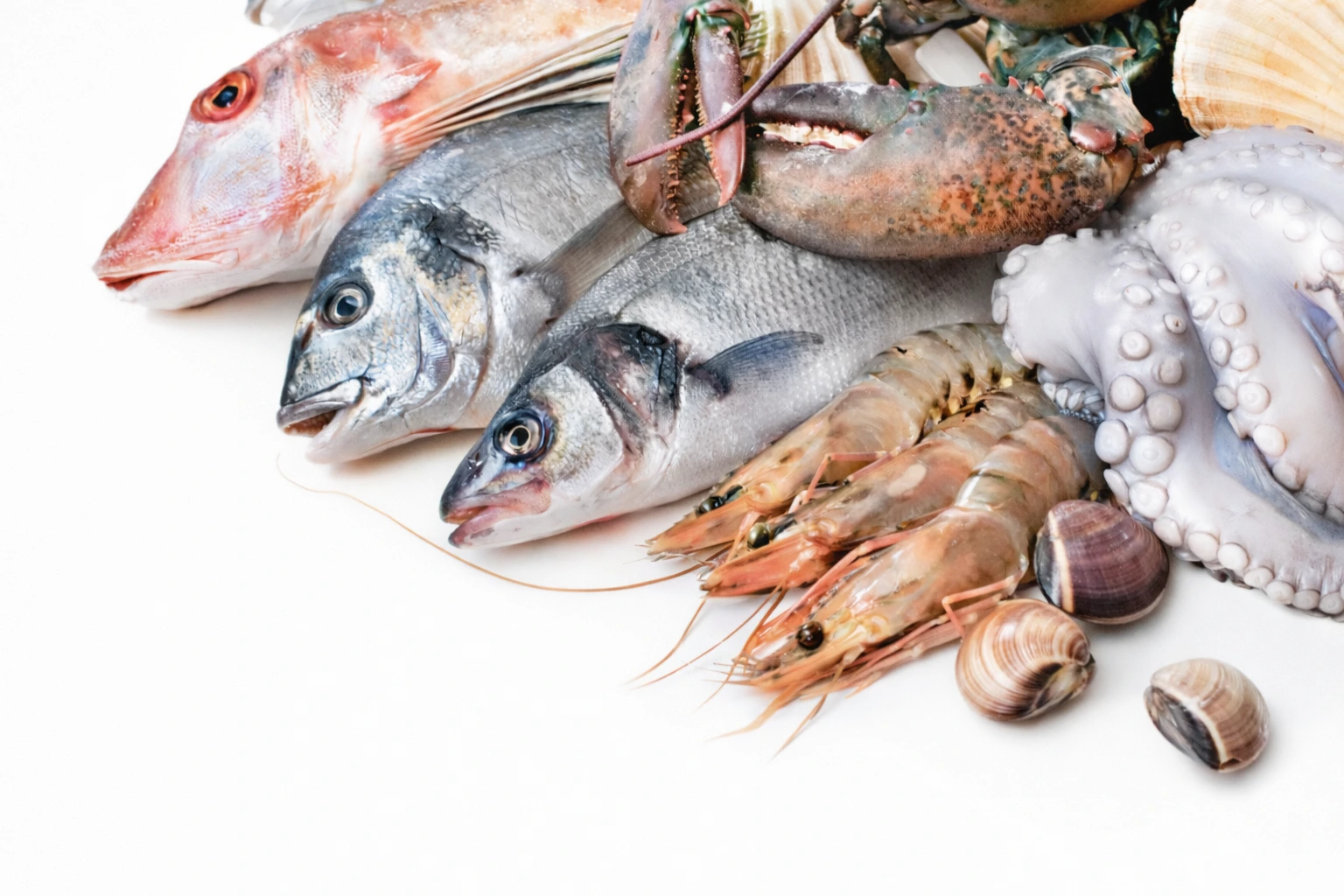
Fish Processing Additives
Posted by Duke on February 13, 2026

Fish Processing Additives
Fish Processing Additives: 12 Essential Facts, Real Functions, and Safe Strategies to Improve Seafood Product Quality
Introduction
The modern fisheries industry is no longer just about catching fish and selling them fresh. Amid global competition, quality demands, food safety requirements, and production efficiency, seafood businesses are under pressure to deliver products that are longer-lasting, stable, safe, and consistently high in quality. This is where fish processing additives play a critical role.
Unfortunately, many business owners, small producers, and even consumers still misunderstand these additives. Some believe they are harmful, while others fail to recognize their strategic value in enhancing product quality and marketability. In fact, when used properly and in compliance with regulations, fish processing additives are a key success factor in modern seafood production.
This article provides a comprehensive and practical guide to fish processing additives—from definitions and types to frequently asked questions and application strategies—so your seafood products can become safer, more competitive, and higher in value.
What Are Fish Processing Additives?
Fish processing additives are food-grade substances added during seafood processing to maintain quality, improve stability, enhance texture, extend shelf life, and ensure food safety.
These additives are not intended to deceive consumers, but rather to:
- Reduce oxidative damage
- Control microbial growth
- Preserve natural color and texture
- Improve processing efficiency
Their use is strictly regulated by national and international food safety standards.
Why Are Fish Processing Additives So Important?
Without proper additives, seafood products face serious challenges:
- Rapid spoilage due to microbial activity
- Color and odor changes that reduce consumer appeal
- Soft or dry texture after storage
- Nutritional degradation during distribution
- Economic losses caused by food loss and waste
Fish processing additives provide a strategic solution, not just an optional enhancement.
Types of Fish Processing Additives and Their Functions
1. Preservatives
Used to inhibit the growth of bacteria and fungi.
Key benefits:
- Extend shelf life
- Reduce spoilage risk
- Improve food safety
2. Antioxidants
Prevent lipid oxidation that causes rancid odors and flavors.
Main advantages:
- Preserve aroma and taste
- Protect essential fatty acids
- Maintain quality during cold storage
3. Stabilizers and Water-Binding Agents
Essential for products such as fillets, surimi, and fish balls.
Benefits include:
- Firmer, more consistent texture
- Reduced weight loss
- Improved product appearance
4. Acidity Regulators
Control pH levels to limit microbial growth.
Impact:
- Enhanced product safety
- Slower spoilage reactions
- Improved protein stability
5. Color Preservers and Appearance Enhancers (Food Grade)
Used in limited amounts to maintain natural color.
Purpose:
- Improve visual appeal
- Ensure batch-to-batch consistency
Key Statistics on Additives in the Seafood Industry
- Up to 30% of global seafood products suffer quality loss without proper processing technology
- Correct use of food additives can reduce food waste by 20–25%
- High-stability processed seafood products can achieve 15–40% higher market value
These figures show that fish processing additives are not optional—they are a business necessity.
Frequently Asked Questions (FAQ)
1. Are fish processing additives safe to consume?
Yes. When used within approved limits and regulations, these additives are safe and scientifically tested.
2. Are all additives synthetic chemicals?
No. Many additives are derived from natural sources, such as plant extracts, organic acids, or fermentation products.
3. Are additive-free products always healthier?
Not necessarily. Products without preservatives are more vulnerable to microbial contamination unless supported by a perfect cold-chain system.
4. Do additives reduce the nutritional value of fish?
On the contrary, additives help protect proteins and essential fats from degradation.
5. Must additives be listed on product labels?
Yes. Transparent labeling is mandatory and builds consumer trust.
Fish Processing Additives and Consumer Trust
In today’s informed market, transparency is the currency of trust. Producers who:
- Clearly disclose ingredients
- Use consumer-friendly terminology
- Educate buyers about product safety
are far more trusted than those who hide information.
Storytelling that explains the purpose and benefits of additives can actually become a powerful selling point.
Smart Strategies for Using Fish Processing Additives
1. Apply Additives Based on Function, Not Trends
Each product—fresh fish, frozen fish, or surimi—requires a different additive approach.
2. Follow Regulations and Safety Standards
Always use food-grade additives approved by relevant authorities.
3. Combine Additives with Proper Processing Technology
Additives work best when supported by:
- Proper chilling and freezing
- Hygienic facilities
- Consistent production processes
4. Train Production Teams
Incorrect dosage and application often result from lack of technical knowledge.
5. Communicate Added Value to the Market
Explain that additives are used for safety, quality, and sustainability, not manipulation.
Fish Processing Additives and Competitive Advantage
Stable, safe, and consistent seafood products are:
- More attractive to modern retail markets
- Easier to distribute at scale
- Better suited for export
- More trusted by end consumers
From a business perspective, fish processing additives are a strategic differentiation tool.
Conclusion
Fish processing additives are not enemies of the seafood industry. They are essential allies in preserving quality, ensuring safety, and supporting sustainability. When applied correctly and communicated transparently, these additives become a business asset that increases product value and market trust.
In an era of tight competition and rising quality expectations, businesses that manage fish processing additives intelligently will stay one step ahead of the competition.